Why this chapter exists
Inter-building links can connect critical systems and can also introduce lightning, surge and water risks if the wrong medium is chosen.
See the physical work before reading the details
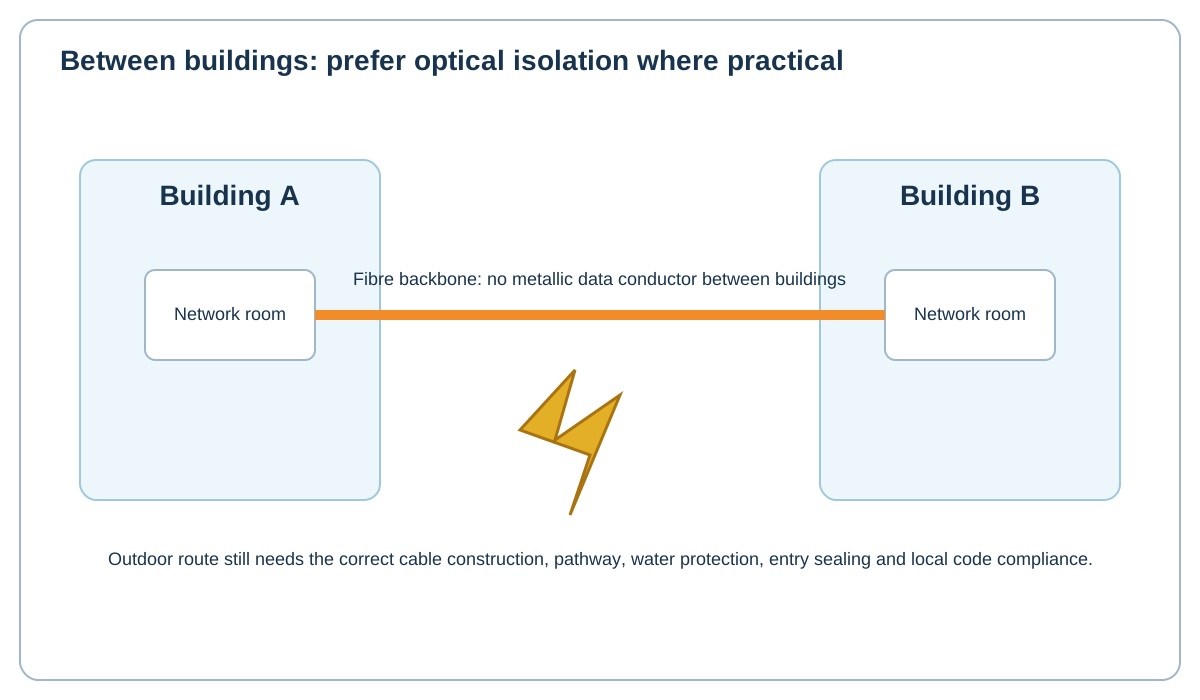
Original Netcomtech training illustration. Product-specific termination geometry varies, so use the component manufacturer's instruction sheet on site.
17.1 Use cable rated for the environment
Outdoor, duct, direct-burial and indoor cables have different jacket and water-blocking constructions. Use the manufacturer's application rating and local building rules.
17.2 Think about water before it appears
Conduit outdoors can collect water. A pathway being called conduit does not guarantee a dry cable environment. Use cable construction intended for the route.
17.3 Metallic links between buildings need electrical consideration
Copper data cabling between separately grounded buildings can be exposed to surge and potential differences. Local electrical/surge rules apply. Optical fibre provides galvanic isolation because the data path has no metallic signal conductor.
17.4 Protect the building entry
Seal pathways, preserve fire/water barriers, transition to appropriate indoor-rated cable within the required building-entry rules, and document splice/enclosure locations.
17.5 Plan service loops and access
Outside plant faults are expensive to revisit. Provide controlled maintenance slack and accessible splice closures or handholes according to the design.
Workshop exercise
Build a sample of this installation method on a training bench. Photograph the preparation before termination, the finished termination and the test result. Explain what would cause you to reject your own work.
Acceptance checklist
- The component matches the cable construction and category.
- The manufacturer's installation method was followed.
- No conductor, jacket, screen or fibre damage is visible.
- Pair twist, bend radius and strain relief are preserved.
- The correct test model and limit were used.
- The cable ID matches the drawing and test report.
Technical references
Manufacturer instructions and the project standard always override generic training examples.